United Kingdom / journal
System Integration & Modern Infrastructure Scaling Strategies
Guide to system integration technology and scalable IT infrastructure in the UK. Covers tech architecture, enterprise integration, cloud integration and modernization.
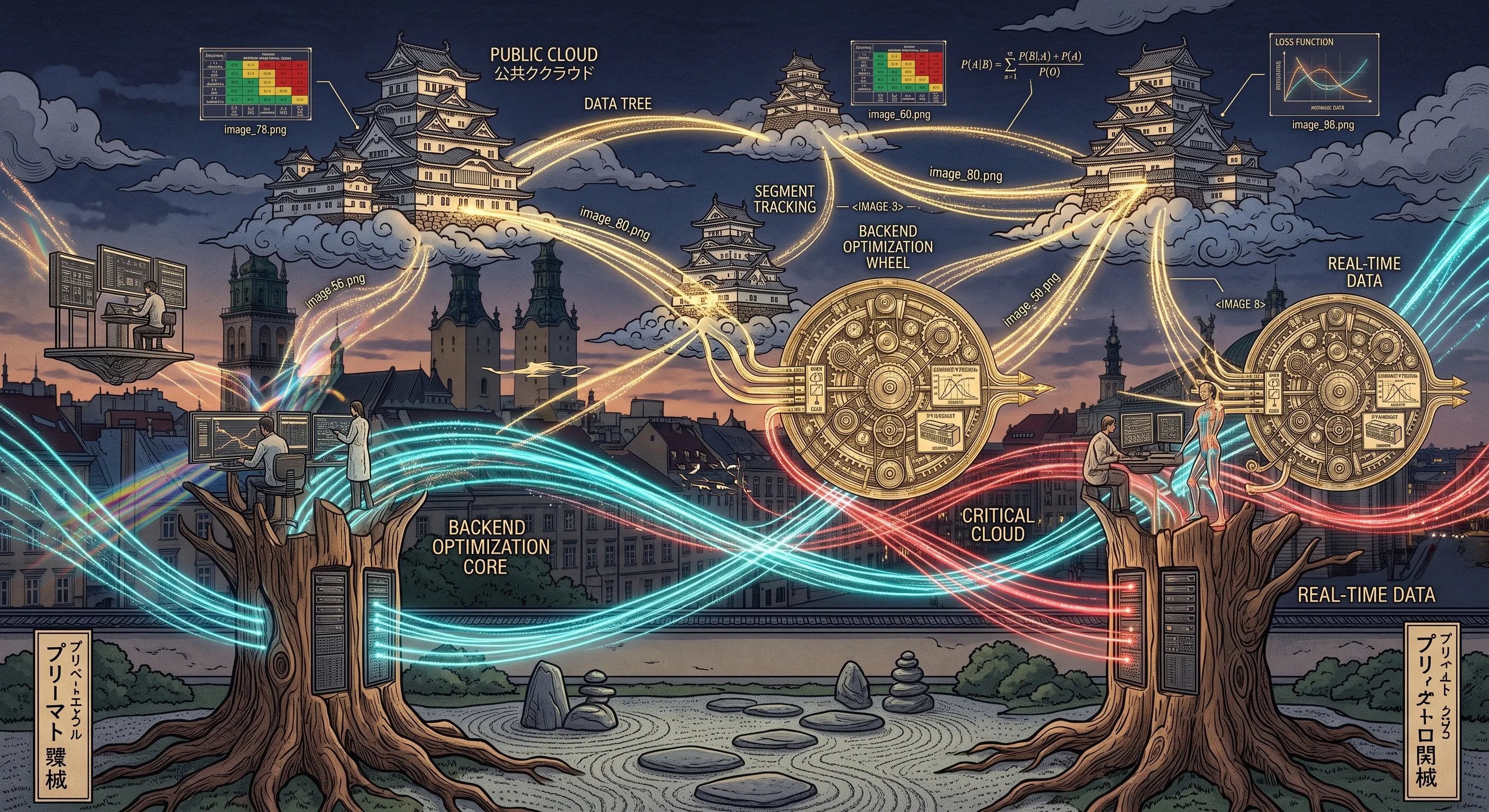
Why system integration technology matters
System integration technology is the glue that connects different apps, databases and services. When systems are integrated well, data flows smoothly, teams work faster and customers have a consistent experience. Poor integration creates delays, duplicated work and errors. For companies planning to scale, integration is not a one-off project — it is an ongoing capability tied to system scalability design and backend architecture optimization.
Think of integration as building reliable roads between towns. If roads are narrow, unmaintained or use different rules, traffic jams happen. The same applies to data and processes. Good integration reduces risk, lowers costs and speeds up new features.
Core components of a scalable IT infrastructure
Scalable IT infrastructure is more than adding servers. It includes architecture patterns, automation, monitoring and a clear plan for growth. Key components include:
- Modular services: break functionality into smaller parts so each can scale independently.
- APIs and messaging: standard ways for systems to exchange data reliably.
- Cloud and on-premise balance: choose what runs in cloud infrastructure integration and what stays local.
- Observability: logs, metrics and traces to spot problems early.
- Automation: deployment pipelines and configuration management to reduce human error.

These components work together. For example, APIs allow modular services to communicate, while automation makes deploying more instances predictable and safe.
Scaling strategies and system scalability design
Scaling can be vertical (bigger machines) or horizontal (more machines). Horizontal scaling is usually better long term because it gives resilience and handles sudden load. System scalability design should include these patterns:
- Stateless services: design services that don’t hold session data so they can be replicated easily.
- Load balancing: distribute requests across multiple instances to avoid hotspots.
- Sharding and partitioning: split large datasets so queries are faster and storage grows smoothly.
- Caching: reduce repeated work with caches for commonly requested data.
- Event-driven design: use messaging systems to decouple services and handle spikes.
System scalability design also means planning capacity and testing for growth. Load testing, chaos testing and staged rollouts help teams learn limits without putting users at risk.
Cloud infrastructure integration and hybrid options
When planning cloud integration, decide which parts of the system benefit most. Use cloud for:
- Bursty or unpredictable workloads where auto-scaling saves cost.
- Global distribution to serve users in different regions.
- Managed services like queues, caches and identity to reduce operations burden.
For sensitive data or legacy systems, keep on-premise or private cloud. Hybrid setups need clear network patterns, secure connectivity and consistent monitoring so that cross-environment calls are reliable.
Backend architecture optimization
Backend architecture optimization means focusing on how servers, databases and services perform as load grows. Common steps include:
- Identify bottlenecks using metrics and traces.
- Refactor heavy endpoints and queries to be more efficient.
- Introduce asynchronous processing for long-running tasks.
- Use managed databases or scale reads with replicas.
- Apply backend architecture optimization techniques like connection pooling and query tuning.
Small targeted changes can produce large gains. For example, moving a synchronous report to a background job often frees up web capacity and improves user response times.
Process tech architecture and enterprise software integration
Process tech architecture looks at how business processes map to technology. Enterprise software integration connects ERP, CRM, finance, HR and other systems so data is consistent across the company. Best practice is to use an integration layer that centralises common tasks:
- Transformations: convert data formats between systems.
- Orchestration: coordinate multi-step processes that touch several systems.
- Retry and error handling: ensure temporary failures don’t break business processes.
- Security and governance: enforce policies centrally for data access and auditing.
Adopting a clear process tech architecture reduces custom point-to-point connections that are hard to maintain. It also makes enterprise software integration predictable and audit-friendly.
Technology modernization: when and how to start
Technology modernization is about moving from fragile legacy setups to maintainable modern systems. Start modernisation when maintenance costs are high, you can’t meet demand, or security and compliance become risky. A careful, phased approach works best:
- Inventory: know what you have, who owns it, and why it exists.
- Prioritise: pick pieces that give the most value with the least risk.
- Isolate: wrap legacy systems with APIs rather than ripping them out immediately.
- Iterate: refactor small parts, test and release often.
- Retire: remove old components only when replacements are stable.
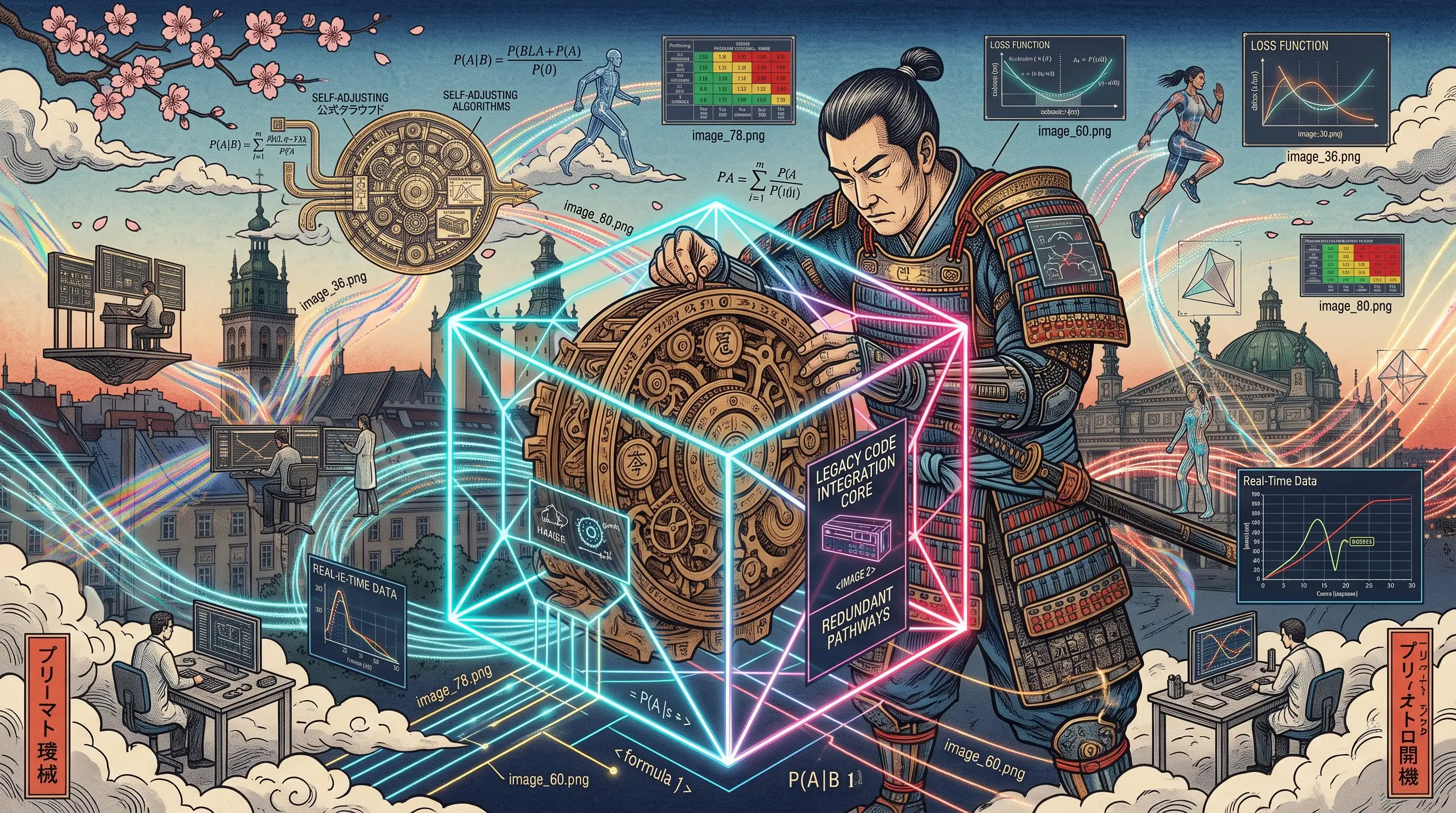
Modernisation also includes adopting cloud-native services where appropriate, improving developer tooling and automating testing and deployment. Technology modernization is a continuous journey rather than a single project.
Practical implementation roadmap for UK teams
Here is a simple roadmap to make system integration technology and scaling strategies practical for teams:
- Step 1: Establish goals. Define performance, uptime and compliance targets.
- Step 2: Map systems. Create a clear diagram of systems, data flows and owners.
- Step 3: Stabilise integration. Add APIs and message buses to reduce direct coupling.
- Step 4: Automate deployments and tests so changes are safe.
- Step 5: Introduce monitoring and runbooks for common incidents.
- Step 6: Plan capacity and run load tests to validate system scalability design.
- Step 7: Modernise incrementally, prioritising high-value components.
Each step should be small enough to complete in a sprint or two. That keeps risk low and lets teams show progress to stakeholders.
Measuring success and avoiding common pitfalls
Measure success using business and technical metrics: reduced incident time, faster feature releases, lower cost per transaction, and improved customer satisfaction. Common pitfalls include trying to do too much at once, neglecting security and ignoring operational needs like backups and capacity planning.
Another common mistake is treating integration as a one-off. Integration evolves with the business. Allocate time in each development cycle for integration work and keep documentation up to date.
System integration technology and scalable IT infrastructure are foundational for future growth. With clear architecture, careful planning and steady execution, UK organisations can modernise safely while keeping services reliable and cost-effective.
FAQ
What is the first step in adopting system integration technology?
Start with a systems map. List applications, data stores and owners. That map reveals quick wins like adding an API or a small messaging queue to remove fragile point-to-point links.
How do I choose between cloud and on-premise for scaling?
Consider data sensitivity, cost, latency and existing investments. Use cloud for elasticity and managed services. Keep on-premise for regulated or legacy systems, then integrate them through secure connectors.
Can legacy systems be integrated without a full rewrite?
Yes. Wrap legacy systems with APIs or adapters. Use an integration layer to translate and orchestrate processes. This reduces risk while you modernise gradually.
What monitoring is essential for a scalable infrastructure?
At minimum: service availability, request latency, error rates, resource usage (CPU, memory, disk) and business metrics. Tracing and logs help diagnose issues quickly.
How does enterprise software integration affect security?
Integration centralises access points, so it must include authentication, encryption, role-based access and auditing. Secure the integration layer and use least-privilege principles for service accounts.
How long does technology modernization usually take?
It depends on size and complexity. Small focused modernisations can take months; full transformations can take years. Progress in incremental steps gives value early and reduces risk.