United Kingdom / journal
Digital Process Technologies & Industrial Automation Solutions
UK guide to process technologies and industrial automation systems. Digital process optimization and enterprise workflow automation to boost efficiency and cut costs.
What are modern process technologies?
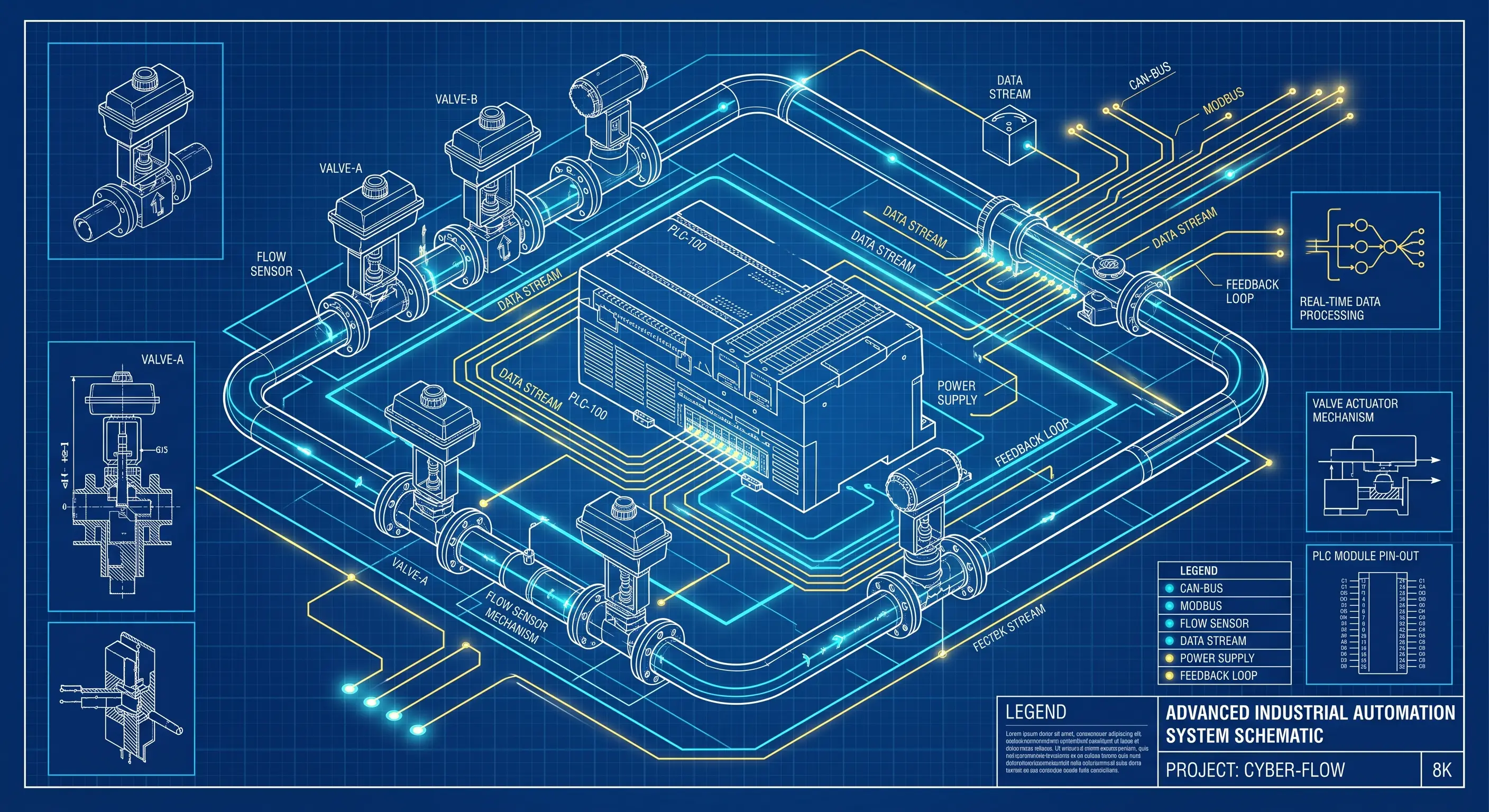
Process technologies cover the hardware and software used to run continuous and batch processes. In a UK context this includes plant controls, sensors, distributed control systems (DCS), programmable logic controllers (PLC), supervisory control and data acquisition (SCADA), and the software that connects them. Those industrial automation systems provide the basic control and safety layers. On top of that, digital process optimization tools analyse data, detect inefficiencies and recommend changes. Together they let teams move from reactive maintenance and manual checks to proactive, data-driven operations.
Key components of industrial automation systems
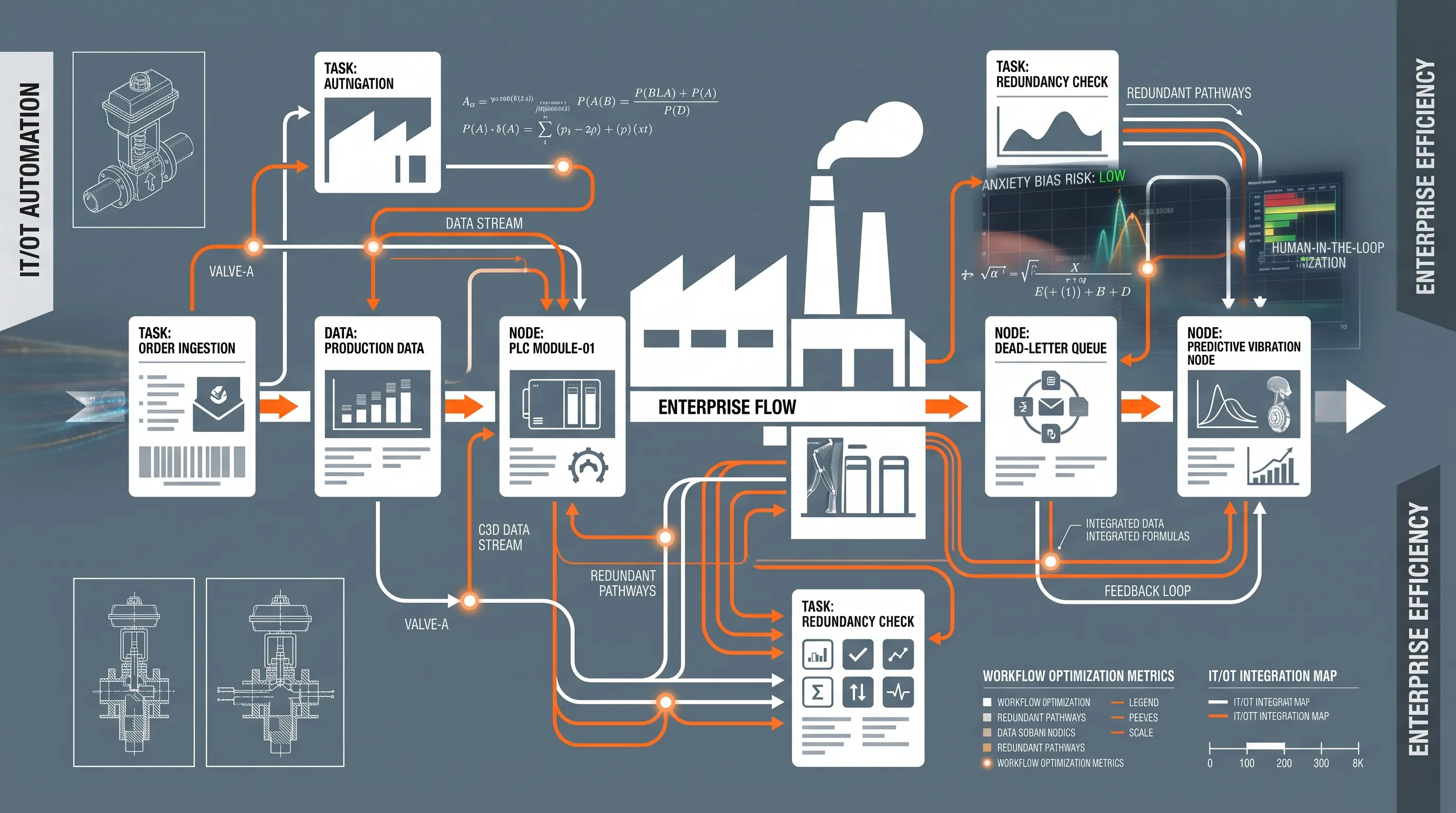
At a basic level, industrial automation systems include sensors, actuators, controllers and operator interfaces. Sensors collect temperature, pressure, flow and composition data. Controllers (PLCs, DCS) act on that data to keep processes within set limits. SCADA and HMI (human-machine interface) systems give operators a live view and alarm functions. Increasingly, edge devices and IIoT gateways enable secure data transfer to analytics platforms. For many UK sites, the focus is on modernising legacy systems while keeping production safe and compliant.
How digital process optimization drives better outcomes
Enterprise workflow automation: streamlining operations
Enterprise workflow automation connects production systems with business processes. Instead of paper logs and siloed spreadsheets, tasks such as maintenance requests, quality checks and shift handovers are automated. That frees staff for higher-value work, reduces human error and provides a single version of the truth for audits. When enterprise workflow automation is tied to live data from industrial automation systems, processes become faster and more transparent. For example, an automated ticket can be created when a sensor triggers a fault, assigning the right technician with parts lists and safety steps included.
Bringing process engineering IT into the loop
Process engineering IT covers tools used by engineers to design, test and optimise plant processes. This includes simulation software, process historians, control logic repositories and advanced control platforms. Close collaboration between process engineering IT and operations teams avoids the ‘throw it over the wall’ problem. Engineers can test changes in simulation first, then deploy optimised control logic to production with version control and rollback options. For UK organisations, governance and change control are important to meet safety and regulatory requirements.
Building a practical digital transformation framework
A digital transformation framework gives structure to change. It helps prioritise projects, manage risk and measure impact. A practical framework for UK plants often includes: a clear business case, pilot projects, data governance, cyber security standards, staff training and a roadmap for scaled rollout. Start with processes that are high value and low complexity. Show quick wins, then use those successes to build trust and funding for bigger projects. Keeping people involved from the start — operations, engineering, IT and management — avoids surprises later.
Best practices for industrial tech integration
Industrial tech integration brings new systems into an existing plant without disrupting production. Best practices include: mapping current systems and data flows, choosing open standards where possible (OPC UA, MQTT), securing network segmentation between IT and OT, using middleware for protocol translation, and running integration tests during planned shutdowns. Vendor-neutral solutions reduce lock-in and make future upgrades easier. Remember that reliable data is the foundation for everything — poor sensor quality or missing context will limit the value of analytics and automated process management.
Automated process management: what to expect
Automated process management is the continuous application of controls, schedules and workflows to run processes with minimal manual intervention. It ranges from simple control loops to fully model-predictive control and closed-loop optimisation. In practice, you can expect reduced manual tuning, faster response to disturbances and standardised procedures for abnormal situations. For safety-critical operations, automation needs to be carefully validated and include human-in-the-loop capabilities for overrides. The balance between automation and operator control depends on risk tolerance and regulatory rules in the UK sector you operate in.
Selecting vendors and solution partners
Choosing the right vendor is about more than technology. Look for partners who understand your industry, can demonstrate real-life UK references, and offer good lifecycle support. Check for: interoperability with existing equipment, clear delivery timelines, training and documentation, data ownership terms and strong cyber security practices. Smaller specialist suppliers often move faster and are more flexible, while larger vendors bring scale and long-term support. Consider a mixed approach: use a core trusted vendor and specialist niche providers where they add clear value.
Measuring ROI and key metrics
To justify investment in process technologies UK teams need clear metrics. Typical KPIs include: uptime/availability, mean time between failures (MTBF), yield or product quality, energy consumption per unit produced, and maintenance costs. For enterprise workflow automation, measure task completion times, error rates and audit trail quality. Start with baseline measurements, then track changes after each improvement. Non-financial benefits — such as safer work practices and better regulatory compliance — should also be recorded, as they matter to board-level decisions and insurers.
Common challenges and how to handle them
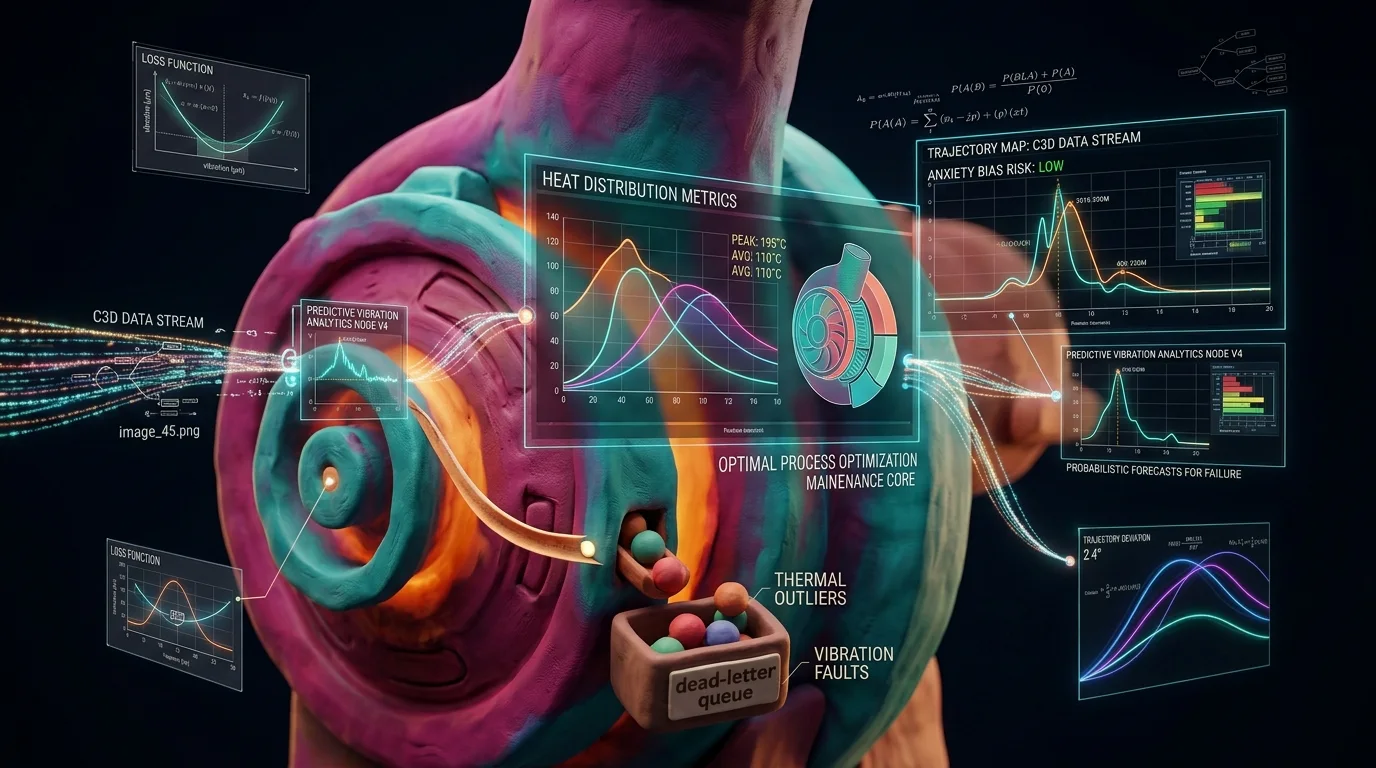
Implementing digital solutions faces common challenges: siloed teams, legacy equipment, data quality issues and cyber security concerns. Address these by creating cross-functional teams, prioritising quick data wins, and investing in secure, well-documented integration. Provide training and change management so staff accept new ways of working. For legacy assets, consider edge devices that can extract and normalise data without replacing controllers. Finally, treat cyber security as a design requirement, not an afterthought — follow industry standards and involve security experts early.
Real-world starter projects for UK sites
If you’re looking to begin, try these starter projects: 1) Energy optimisation for a boiler or compressor train using simple analytics; 2) Predictive maintenance pilot on a critical pump with vibration sensors and automated alerts; 3) Digital shift handover tool linked to SCADA alarms; 4) Quality analytics on a key product line to reduce scrap. These projects often show measurable benefits within months, build staff confidence and create templates for scaling automation and digital process optimization across the plant.
Conclusion
Process technologies UK companies adopt today are about more than replacing hardware. They are about adding layers of intelligence, linking operational systems to business workflows and creating a culture of continuous improvement. Industrial automation systems deliver reliable control; digital process optimization finds gains hidden in data; enterprise workflow automation makes teams work smarter. With careful integration, strong data governance, and a clear digital transformation framework, UK organisations can cut costs, raise quality and meet sustainability goals.
FAQ
What is the difference between industrial automation systems and digital process optimization?
Industrial automation systems are the control layer: sensors, PLCs, DCS and SCADA that run the plant. Digital process optimization sits on top and uses data from those systems to improve efficiency, yield and energy use via analytics and advanced control.
How do I start with enterprise workflow automation?
Begin by mapping key manual processes such as work orders, quality checks and shift handovers. Choose one high-impact area, automate notifications and approvals, connect to live data where possible, and measure time saved and error reduction.
Is process engineering IT different from IT in an office?
Yes. Process engineering IT focuses on simulation, process historians, control logic and OT-specific tools. It must integrate closely with operations and follow OT security practices, which differ from traditional office IT.
How can small UK plants afford these technologies?
Start small with pilot projects that prove value, use cloud or managed services to reduce upfront capital, and prioritise changes with fast payback like energy savings or predictive maintenance.
What role does cyber security play in industrial tech integration?
Cyber security is critical. Segmented networks, secure gateways, access control, patch management and vendor security assessments are necessary to protect operations and meet regulatory requirements.
How long does digital transformation usually take?
It varies. Small pilots can show results in months, but a full plant-wide transformation may take several years. Treat it as a phased programme with measurable milestones and continuous learning.