United Kingdom / journal
Industrial Software Automation & Algorithmic Process Optimization
Industrial software automation and algorithmic process optimization for UK firms. Learn about automated system control, process software and smart digital tools.
Introduction: what this article covers
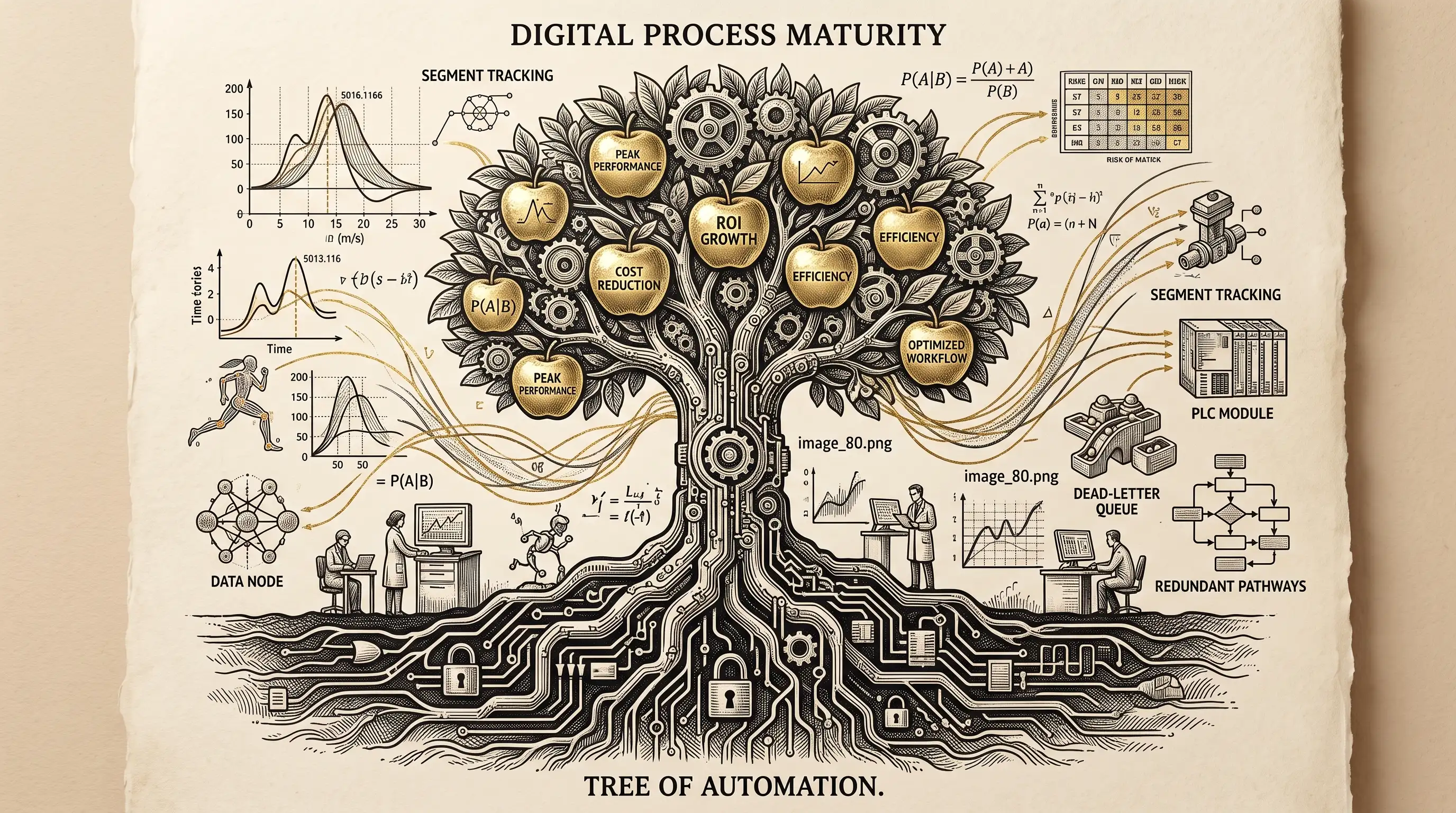
What is software process automation?
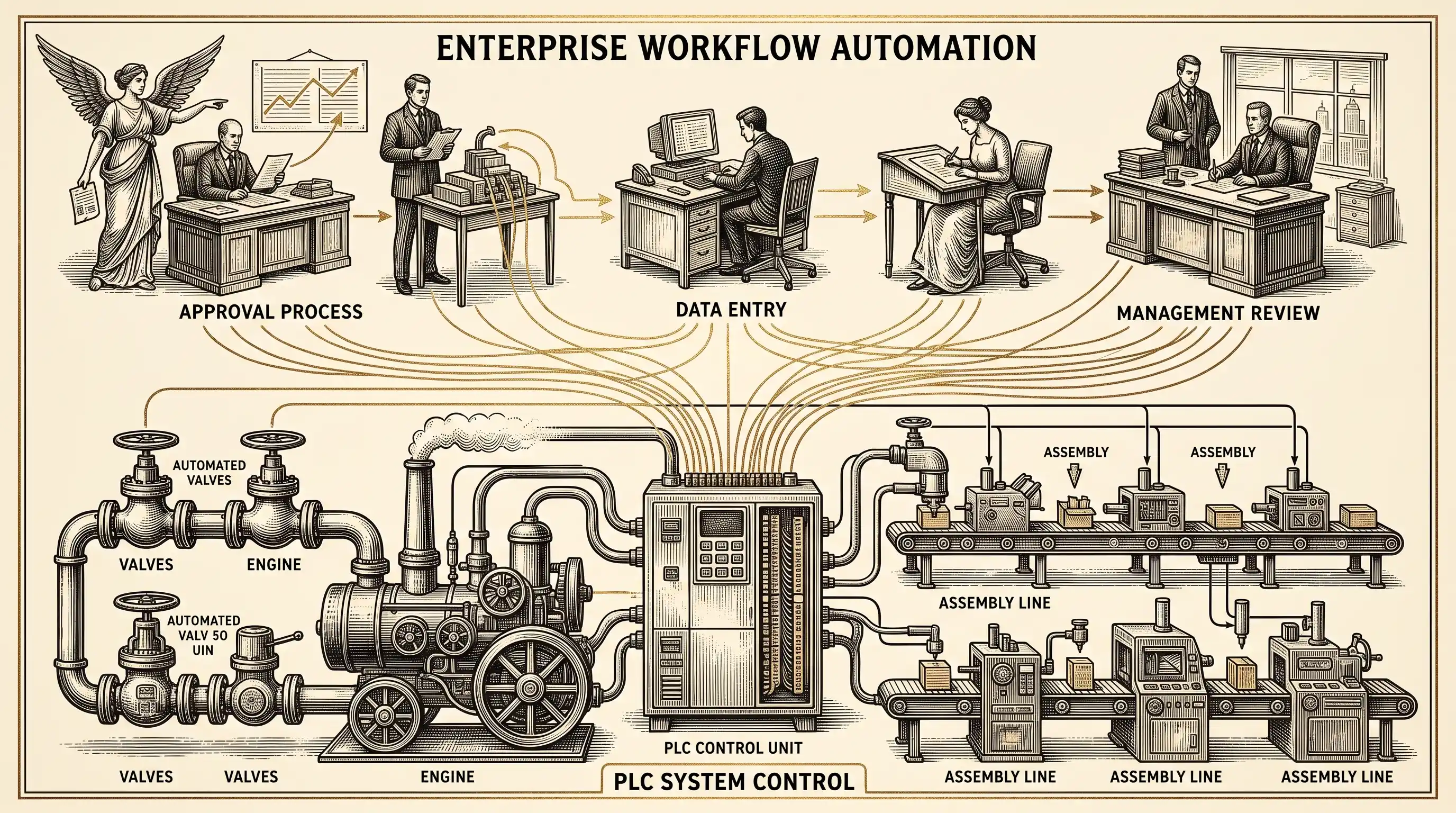
Software process automation means using software to run routine tasks and entire processes without manual input. Instead of people moving documents, entering data or monitoring equipment constantly, automated systems take over repetitive or predictable steps. In an industrial setting this covers everything from automated reporting and quality checks to direct control of machinery through control systems. The goal is consistency, speed and fewer mistakes. Good software process automation ties into existing systems so staff can focus on exceptions, improvements and higher-value work.
Algorithmic process optimization explained
Algorithmic process optimization uses mathematical models and rules to make processes run better over time. Where simple automation repeats the same task, algorithmic optimisation analyses data and adjusts parameters automatically. For example, an algorithm might change conveyor speed, adjust temperature set points or alter staffing schedules based on demand forecasts. These algorithms can be basic rules, statistical models or advanced machine learning. In all cases, the aim is the same: increase throughput, reduce waste and maintain safety and product quality.
How automated system control works in industry
Automated system control links sensors, actuators and controllers so the system responds automatically to changing conditions. PLCs (programmable logic controllers), distributed control systems and newer software platforms take inputs from the physical world and apply process control algorithms to decide actions. This could mean opening valves, changing motor torque or stopping a line if a fault is detected. Automated system control is essential where speed and precision matter, and it supports remote monitoring so engineers can intervene only when needed.
Enterprise process software: the backbone of large organisations
Enterprise process software is designed to manage complex, cross-department processes at scale. These platforms often combine workflow automation engines, data integration and analytics. They coordinate tasks across purchasing, production, maintenance and customer service, ensuring each step happens in the right order with the correct information. When paired with algorithmic process optimization, enterprise process software can continuously tune workflows and control strategies to changing business needs and resource availability.
Key components: process control algorithms and workflow automation engines
Two important components are process control algorithms and workflow automation engines. Process control algorithms run the real-time decisions that keep equipment and product parameters within limits. Workflow automation engines handle business logic: who approves what, which documents move where, and how exceptions are routed. Together, they connect the plant floor to business systems, enabling decisions that balance production targets, maintenance windows and supply constraints.
Smart process management and digital automation tools
Smart process management means using data and software to manage processes proactively. Digital automation tools include sensors, industrial IoT platforms, analytics dashboards and robotic process automation (RPA) for admin work. Smart tools give visibility into performance and support predictive maintenance, where asset failures are forecast and prevented. For managers, these tools mean fewer surprises, clearer KPIs and the ability to prioritise improvement projects based on hard data.
Practical benefits for UK organisations
Typical implementation steps
Implementing industrial software automation usually follows a clear path. First, map your current processes and identify high-value opportunities where automation or algorithmic optimisation will help most. Next, choose the right tools: a workflow automation engine for office processes, a control platform for plant automation, and analytics for optimisation. Then run pilot projects to validate assumptions and collect data. Finally, scale gradually, training staff and adding governance so changes are safe and repeatable. This staged approach reduces risk and shows early wins.
Common challenges and how to avoid them
Common issues include poor data quality, resistance from staff, and integration difficulties with legacy systems. Start by cleaning and validating data; good decisions rely on good inputs. Engage workers early—automation should augment roles, not simply replace people without support. For integration, use middleware or APIs and pick vendors that support open standards. Keep the initial scope small and measurable, and build trust by demonstrating how automation improves daily work rather than just cutting costs.
Measuring success and ROI
Measure both quantitative and qualitative outcomes. Use metrics like throughput, cycle time, downtime, defect rates and energy use. Track cost savings from reduced labour and materials, and factor in maintenance savings from predictive methods. Also measure staff satisfaction and process simplicity—these affect long-term success. Calculate ROI using a realistic timeline and include implementation costs, training and maintenance. Many projects show payback within 12 to 36 months when planned and executed carefully.
Best practices for long-term value
To sustain gains, follow these best practices: adopt modular solutions so you can upgrade parts without replacing everything; enforce data governance so optimisation models stay accurate; combine human oversight with automated decisions for safety; and prioritise cybersecurity, especially as industrial systems connect to corporate networks. Regularly review automated rules and algorithms to ensure they still align with business goals. Continuous improvement is not a one-off project but an ongoing capability.
Case examples (short, generic)
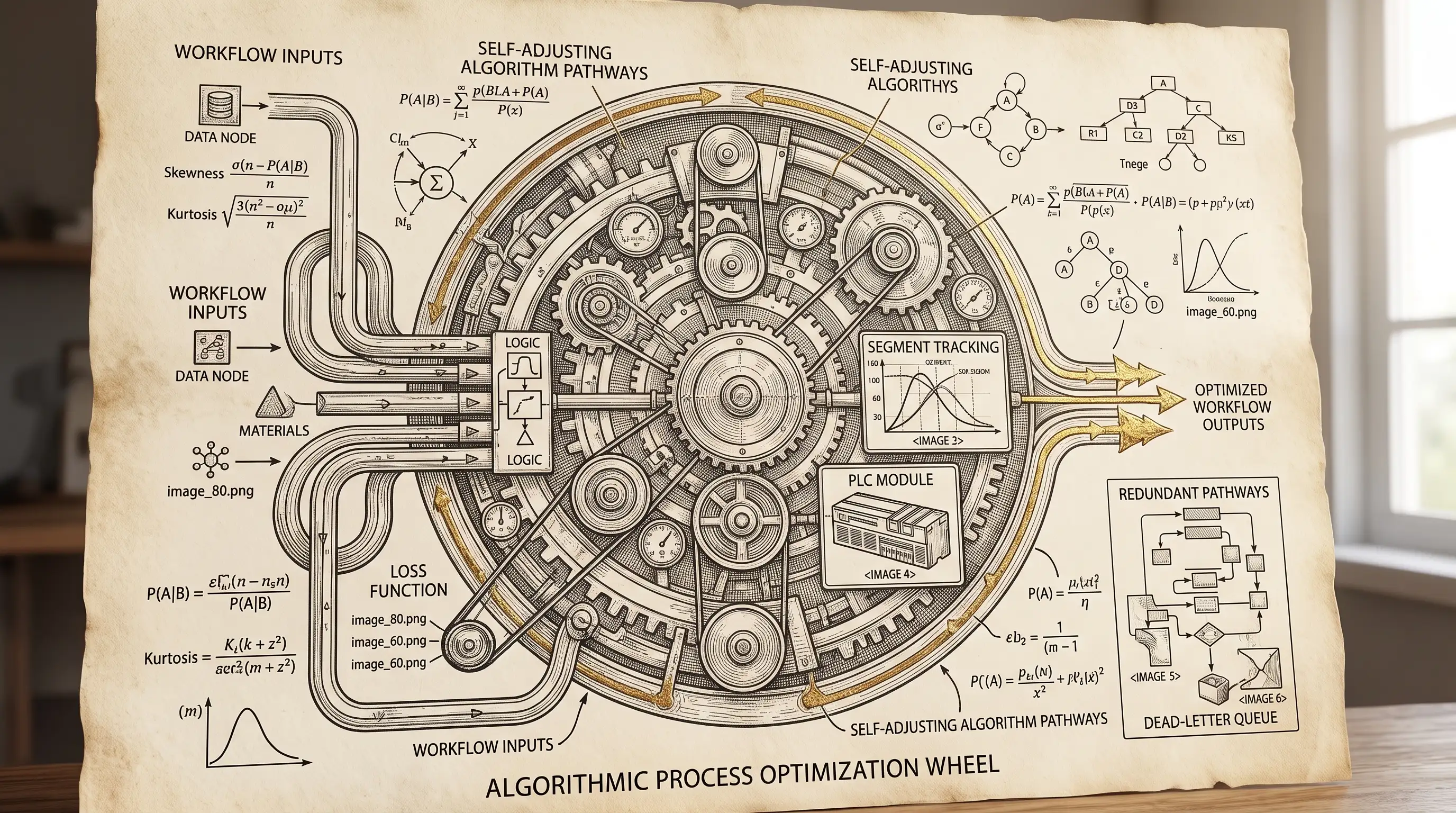
1) Assembly plant: A manufacturer used workflow automation engines to manage quality checks and combined process control algorithms to adjust machine speed automatically. Scrap dropped by nearly 20% and throughput rose. 2) Utilities: A water company implemented automated system control with predictive maintenance analytics. Pump downtime fell and energy use reduced. 3) Logistics hub: Enterprise process software coordinated loaders and scheduling algorithms that optimised vehicle movements. Turnaround times improved and congestion costs fell. These examples show how different industries benefit from similar principles.
Choosing vendors and tools
When selecting vendors, look for providers with experience in your sector and a track record of integrating with common industrial protocols. Prefer solutions that support standards and open APIs, so you are not locked into one supplier. Evaluate ease of use, support for process control algorithms, and the analytics capabilities for optimisation. Also check references and request pilot tests. A good partner will help with change management, training and long-term support.
Next steps for teams in the UK
If you are starting, begin with a short discovery project to map processes and collect baseline data. Identify one or two processes with clear value, then run a pilot using workflow automation engines and simple control algorithms. Use the pilot to demonstrate benefits and refine your approach. Build a roadmap that includes integration to enterprise process software, investments in digital automation tools and a plan for staff training. Engage stakeholders from operations, IT and finance early to secure support.
FAQ
What is the difference between automation and algorithmic optimisation?
Automation repeats configured tasks without human input. Algorithmic optimisation analyses data and adjusts parameters to improve performance over time. Automation does the work; algorithms make the work smarter.
Can legacy equipment be part of automated system control?
Yes. Many legacy machines can be retrofit with sensors and controllers or connected through edge devices. Integration may require middleware and careful planning, but benefits often justify the effort.
How do workflow automation engines fit with enterprise process software?
Workflow automation engines handle business logic and task routing, while enterprise process software provides broader coordination, data storage and analytics. Together they ensure tasks flow correctly across departments and systems.
What skills do teams need to implement these solutions?
Teams need a mix: operations knowledge, control systems engineering, data analytics and IT integration skills. Change management and project management are also essential.
How long does it take to see ROI?
Typical payback ranges from 12 to 36 months depending on scope, industry and initial data quality. Pilots can show early wins within weeks to months.